Column · @dallasoebe435
How a Pizza Restaurant Perfects Classic Toppings

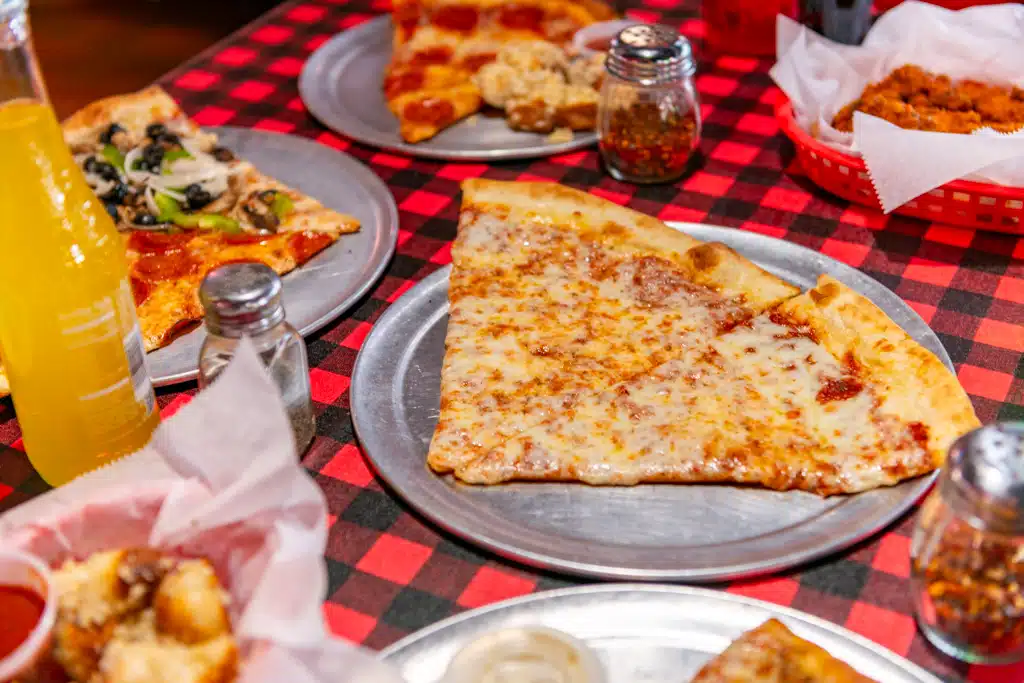

A great pizza restaurant does not build its reputation on novelty alone. Limited-time pies and attention-grabbing ingredients have their place, but the real test sits in the classics. Pepperoni, mushrooms, onions, sausage, olives, extra cheese, green peppers. Customers know exactly how those toppings should taste, how they should look, and how they should behave in the oven. There is nowhere to hide when someone orders a plain cheese slice with pepperoni or a sausage and mushroom pie.
That is what makes classic toppings so demanding. They appear simple, yet every small decision shows up in the final bite. The thickness of the pepperoni, the moisture level in the mushrooms, the salt content of the cheese, even the way onions are cut can push a pizza from balanced to clumsy. The best shops understand this. They do not treat toppings as a pile of ingredients tossed onto dough. They treat them as components that must roast, render, soften, and season the pie in harmony.
When a pizza restaurant gets the classics right, customers often describe the result with ordinary words. They say it tastes right. They come back without needing a coupon. They bring friends. That kind of loyalty usually comes from quiet discipline, not flashy reinvention.
The classics are harder than they look
There is a reason seasoned operators pay obsessive attention to their standard topping combinations. Most customers order familiar pies. In many markets, the top sellers remain some version of cheese, pepperoni, sausage, mushroom, or a simple vegetable mix. That means the margin for error is exposed dozens or hundreds of times a day.
A white truffle cream pizza can mask imbalances because the guest has no fixed mental benchmark. A pepperoni pizza cannot. People know whether the slices cupped too aggressively, whether grease pooled in the center, whether the edges charred before the cheese colored, whether the seasoning overwhelmed the tomato. The pie may be only a few dollars apart from a specialty pizza, but expectations are sharper.
Classic toppings also interact more strongly than many people realize. Pepperoni brings fat, spice, and salt. Mushrooms release water. Sausage can carry fennel, black pepper, sage, and plenty of rendered drippings. Green peppers brighten a pie but can turn bitter if cut too thin and exposed too long. Black olives add salinity fast, especially alongside a robust mozzarella-provolone blend. Nothing sits alone.
This is why an experienced pizza restaurant thinks about toppings the way a line cook thinks about pan sauces or a baker thinks about hydration. A topping is not simply “on” the pizza. It changes the pizza while it bakes.
Ingredient sourcing matters, but specification matters more
People often talk about sourcing as if finding a good vendor solves the problem. It helps, of course. Better produce and well-made cured meats give a kitchen a head start. Still, two shops can buy from strong suppliers and produce completely different pies because the specification is what determines consistency.
Take pepperoni. One restaurant may use a small-diameter stick sliced fairly thick, around an eighth of an inch, which creates more chew and stronger cupping. Another may use wider slices, paper-thin, to achieve even coverage and faster rendering. Neither choice is wrong. The mistake is failing to choose intentionally. If the dough bakes in seven minutes at high heat, a thick slice behaves one way. If the oven runs cooler and longer, that same slice can dump too much fat into the cheese before it crisps.
Mushrooms present a different challenge. Fresh mushrooms can taste excellent, but only if the kitchen understands their water content. A busy shop that piles raw, thick-cut mushrooms onto a pie without portion control will often get a pale patch under the topping and a watery center. Some kitchens slice thinner. Others pre-roast or par-cook to reduce moisture. Some rely on a measured portion and strategic distribution so steam can escape during the bake. Again, the quality of the mushroom matters, but the restaurant’s handling matters just as much.
Even onions, one of the most familiar pizza toppings, demand specification. A finely shaved onion nearly melts into the cheese and sweetens quickly. A thicker slice keeps texture and sharper flavor but requires careful placement to avoid undercooked strands. Red onions look attractive, yet yellow onions often perform better when the goal is sweetness and less visual harshness after baking.
The best operators write these choices down and train to them. Not because they enjoy paperwork, but because the difference between a good Friday night and a frustrating one often comes down to whether the line cooks are building pizzas by memory or by standard.
Cheese is a topping, not just a base layer
Cheese usually escapes scrutiny because it feels foundational, almost separate from toppings. In practice, it is the topping that mediates all the others. Its fat content, moisture level, saltiness, and melt profile determine how pepperoni renders, how sausage settles, and how vegetables roast.
A low-moisture mozzarella with a clean melt gives classic toppings room to speak. Blend in provolone and the pie gains a sharper, deeper note, but the salt level rises and can crowd out delicate vegetables. Add too much whole milk mozzarella and the surface may brown beautifully, yet the cheese can slide if the sauce beneath is loose or the topping load is heavy. Use skim mozzarella alone and the pie may lose richness even if it bakes cleanly.
There is no universal perfect blend. The right choice depends on dough style, oven temperature, and house sauce. A New York style slice operation may want stretch, blistering, and controlled oiling off. A pan pizza house may prioritize edge caramelization and a denser blanket of cheese. What matters is whether the cheese supports the classic toppings rather than fighting them.
You can often spot an undisciplined pizza restaurant by what happens on a sausage pie. If the cheese breaks and floods with grease, the restaurant may be combining a fatty sausage with a cheese blend not built to absorb or balance that rendered fat. The customer experiences it as “too heavy,” even if they cannot name the technical issue. The fix is rarely a dramatic overhaul. It may be a different drain on the sausage, a slightly lighter cheese application, or a better distribution pattern that leaves space for evaporation.
Pepperoni is a study in control
Pepperoni might be the most revealing topping in the shop. Customers love it because it is familiar and reliably satisfying. Cooks respect it because it can expose sloppy habits in seconds.
Too much pepperoni and the pie turns greasy, salty, and structurally weak. Too little and the guest feels shorted. Uneven spacing creates dead zones and overloaded areas. Slice size changes coverage. Cure style changes spice release. Oven heat changes whether the edges crisp before the cheese finishes. Even the moment pepperoni comes out of refrigeration can affect the way it lays on the pie during assembly.
Well-run shops test for all of this. They count slices per size. They decide whether overlap is acceptable. They note whether the slices should cup lightly or lie flat. Those details may sound fussy, but they protect the eating experience. A customer rarely says, “The pepperoni distribution was excellent.” They simply notice that every bite feels complete.
There is also the matter of grease, which people misunderstand. A little rendered fat is desirable. It carries spice and contributes to the signature appeal of pepperoni pizza. The problem begins when grease separates in puddles large enough to soak the crust or slide hot cheese off the slice. Good kitchens manage this by balancing pepperoni with cheese coverage, bake time, and quantity. Some even adjust pepperoni portioning by pizza size more carefully than math alone would suggest, because the center-to-edge dynamics of a large pie differ from a small one.
Sausage requires a point of view
Sausage may be the topping where house identity shows most clearly. Crumbled raw sausage, pre-cooked chunks, sliced links, fennel-forward blends, mild Italian, hot Italian, leaner proprietary mixes, each choice says something about the restaurant.
Raw sausage applied in small pieces can cook beautifully on the pie, allowing fat and seasoning to mingle directly with the cheese and sauce. That method can also fail badly if the pieces are too large, the bake too short, or the product too wet. Pre-cooked sausage offers consistency and speed, but it can taste detached from the pizza if it dries out or lacks enough caramelization.
The best sausage toppings have a clear purpose. If the house sauce is bright and acidic, a richer sausage can create balance. If the dough has a long fermentation and more developed flavor, a cleaner, less fennel-heavy sausage may let the crust remain part of the conversation. If the restaurant already sells a salty cheese blend, the sausage cannot also be aggressively seasoned in the same direction.
A lot of https://www.google.com/maps?cid=6113201952926585885 shops learn this through painful trial and error. They buy a sausage that tastes excellent on its own, then discover it dominates the entire pie. Standalone flavor is not the same as on-pizza flavor. Heat amplifies some spices, rendered fat changes mouthfeel, and the tomato sauce introduces acid that alters how seasoning lands on the palate. A topping can be impressive at the prep table and still be wrong for the bake.
Vegetables demand more technique than meat
Customers sometimes assume vegetable pizzas are simpler because vegetables seem lighter and more forgiving. In practice, they can be less forgiving. Moisture is the main reason.
Mushrooms, peppers, onions, spinach, tomatoes, and olives all carry different amounts of water and salt. Put too many together and the center of the pizza can steam instead of roast. Spread them carelessly and some pieces char while others remain half-raw. Add them straight from a cold reach-in without considering hold conditions and the bake can lose momentum.
Good vegetable topping work begins with cuts. Thin green pepper strips behave differently from diced peppers. Sliced mushrooms release water across a wide surface area, while quartered mushrooms can stay pleasantly meaty but require a longer bake. Spinach can be used fresh in small amounts or pre-wilted for control, but the two are not interchangeable. Fresh tomato slices need restraint, especially over a wet mozzarella or a generous ladle of sauce.
Then there is timing. Some pizza restaurants roast vegetables ahead of time for depth and moisture control. Others keep them raw for a fresher, brighter expression. Both approaches can work, but they produce entirely different pies. Roasted onions bring sweetness and density. Raw onions bake into sharper, more aromatic strands. Pre-roasted mushrooms taste concentrated. Fresh mushrooms feel more delicate if the oven and portioning are right.
The key is matching the treatment to the pizza style. A fast, hot deck oven can support certain raw vegetables if the cuts are correct and the toppings are not overloaded. A slower conveyor setup may benefit from more pre-cooking to avoid limp or watery results. There is no virtue in rawness by itself. There is only whether the final slice eats well.
Sauce and dough quietly shape every topping decision
People talk about toppings as though they exist above the pizza, but sauce and dough decide much of the outcome. A sweet, oregano-forward sauce changes how pepperoni tastes. A sharper, uncooked tomato sauce can make rich toppings feel livelier. A thicker crust can support more sausage and vegetables without collapsing. A thin crust has less margin and punishes over-portioning immediately.
This is where experienced judgment matters most. If the dough has strong oven spring and a pronounced rim, the center may remain tender enough to handle a classic supreme-style topping set. If the dough is very thin and crisp, that same topping load becomes a liability. If the sauce is heavily seasoned, adding salty olives and cured meat may create cumulative fatigue by the second slice.
The strongest pizza restaurant teams make these calls holistically. They do not select toppings in isolation. They ask what the dough can bear, how the sauce behaves under heat, whether the cheese traps steam, and how the finished slice should feel in the hand. Their topping standards grow out of the entire system.
Portioning is where consistency is won
Most guests cannot see the operational discipline behind a reliable pizza, but they taste it every time. Portioning is a big part of that discipline. Classic toppings need precision because small excesses compound quickly.
An extra ounce of cheese here, a few more mushrooms there, a loose handful of onions because the cook is in a rush, that is how a balanced pie becomes wet, salty, or heavy. Shops that stay consistent during a Saturday rush usually have clear portion standards and tools that support them. Sometimes that means scales during training. Sometimes it means color-coded cups. Sometimes it means visual guides and repeated practice until the crew can hit the target without thinking.
There is a financial side, obviously. Toppings are expensive, and uncontrolled portioning wrecks food cost. But the more important point is sensory consistency. Customers do not care that the pepperoni cost rose this quarter. They care that their usual order felt different from last week.
One of the most common mistakes newer operators make is assuming generosity automatically reads as quality. It does not. Too many toppings can blunt contrast, trap moisture, and make the crust disappear. A pizza should still taste like pizza, not like a casserole on bread.
The oven finishes the argument
All the careful sourcing, cutting, and portioning mean little if the bake is wrong. Oven management is where toppings either come into focus or fall apart.
Classic toppings need enough heat to brown, render, and roast, but not so much that one element outruns the rest. Pepperoni may crisp before the cheese melts. Mushrooms may dehydrate at the edges while flooding the center. Onion tips can char while thicker pieces remain sharp. Sausage can color without fully cooking if the oven profile is uneven.
That is why bake position, stone recovery, screen use, and even ticket pacing matter. In a busy service, a pizza restaurant cannot think only in recipes. It has to think in oven conditions. The first pie after a quiet period may bake differently from the fifteenth pie during a hard rush. Skilled pizza makers adjust almost instinctively. They rotate when needed, shift placement, or alter topping distribution based on what they know the oven is doing that hour.
This is also why tasting throughout service matters. A topping setup that seemed perfect during afternoon prep can behave differently at 7:30 p.m. When the oven is saturated, the kitchen is warm, and ingredients have been moving in and out of refrigeration. Real consistency is not static. It is managed.
Customers notice the details, even when they cannot name them
What makes classic topping perfection valuable is that it creates trust. Regulars may never discuss moisture migration or cured meat specification. They do know when a slice folds cleanly without dumping grease onto their wrist. They know when mushroom flavor is present but not watery. They know when sausage tastes integrated instead of dropped on top as an afterthought.
That trust is hard-earned. It comes from hundreds of small decisions made correctly, day after day. The best pizza restaurant owners and chefs respect the ordinary order because it is the order most likely to define the brand. A guest who loves your pepperoni pizza will try your house special. A guest disappointed by your pepperoni pizza rarely gives the second chance.
Perfecting classic toppings is not about making them fancier. It is about making them clearer. Better pepperoni tastes more like pepperoni, not like salt and oil. Better mushrooms taste woodsy and savory, not wet. Better onions provide sweetness or bite with intent. Better sausage seasons the pie instead of overpowering it.
That level of precision does not happen by accident. It comes from tasting, adjusting, documenting, and caring enough to treat familiar ingredients with real respect. The classics endure because they can be extraordinary in capable hands. When a pizza restaurant understands that, the simplest pie on the menu becomes the strongest proof of quality.